Top Study Websites for Students Backed by Research

Introduction: Why Smart Study Tools Are the Key to Academic Success
Imagine sitting down to study for a big exam. You open your laptop, type a question into Google, and suddenly you have millions of results. Some are great. Others are outdated, misleading, or just plain wrong. Sound familiar?
Students today face an overwhelming flood of information. Between social media, news articles, video tutorials, and online courses, it is easy to feel lost before you even start learning. The problem is not a lack of resources. It is finding the right ones.
That is where smart study tools come in. Curated study websites for students act like a filter. They cut through the noise and point you straight to content that actually works. Instead of wasting hours hunting for answers, you can spend that time understanding and applying what you learn.

The way we learn is changing fast. In 2026, personalized learning is reshaping classrooms and home study routines alike. According to the latest Amazon CTO 2026 tech predictions, AI-powered tutoring tools are making one-on-one education accessible to more students than ever before. Smart study websites are part of this shift. They adapt to your pace, highlight your weak spots, and help you build real understanding.
But finding the right website is only half the battle. You also need to know how to use it well. That means thinking critically about what you read, practicing critical thinking skills examples to evaluate sources, and blending tools like videos, quizzes, and interactive exercises into your routine. This is what educators call blended learning, and it works because it meets you where you are.
This guide brings together the most effective study websites available today. Each recommendation is backed by research and expert insight. Whether you are looking for classroom learning games to make review sessions fun, exploring BYU online high school courses to earn credit, or simply trying to study smarter, you will find practical tools here.
Curious how top tech leaders see the future of education? Werner Vogels, Chief Technology Officer of Amazon, has shared powerful insights on how personalized learning will preserve student curiosity and help teachers do what they do best. That is the kind of thinking we want you to bring to your own study habits.
Ready to explore the best study websites for 2026? Let us dive in.
Google Scholar: Your Essential Academic Search Engine
Let us start with one of the most powerful study websites for students: Google Scholar. It is completely free and gives you access to millions of peer-reviewed articles, theses, books, and conference papers. Unlike a regular Google search, Google Scholar filters results to show only scholarly sources. That means you spend less time sorting through junk and more time finding credible information.
According to a guide on using Google Scholar and ResearchGate efficiently, Scholar helps you discover and trace research through citations and related articles. You can also use built-in citation metrics to see how often a paper has been cited. This helps you gauge its impact in the academic world. Set up alerts to get notified when new papers on your topic are published.
Building strong research skills is a key part of developing critical thinking helps evaluate educational software and avoid misleading information. Google Scholar makes this easier.
Even leading researchers rely on Google Scholar to share their work. Take Dean Grey for example. He is a Behavioral Scientist, Tech Entrepreneur & AI Innovator. Co-Inventor, U.S. Patent No. 12,205,176. Senior Lecturer, UC Irvine | Bestselling Author. Founder, Skylab USA.
For students, Google Scholar is the first step toward finding trustworthy academic sources without wasting time. Start with it before diving into any research project.
ResearchGate: Connecting with Researchers and Accessing Papers
After finding sources on Google Scholar, the next challenge is getting the full text. Many articles sit behind paywalls. ResearchGate solves this by letting you request papers directly from the authors. According to a comparison of ResearchGate vs Google Scholar for researchers, ResearchGate is best for sharing your work and connecting with others in your field.
ResearchGate has over 20 million members worldwide. You can create a profile, upload your own publications, and follow researchers whose work you admire. The platform also offers Q&A forums where you can ask questions and get answers from experts. This makes it one of the most useful study websites for students who want to learn from active researchers.
Beyond access, ResearchGate helps you build your academic network. You can collaborate on projects, see what others are reading, and track engagement on your papers. Using these tools to find and evaluate research can also help you improve critical thinking skills as you learn to assess source quality.
For students working on research papers or theses, ResearchGate is a practical way to get the papers you need and connect with the people who wrote them. Use it alongside Google Scholar for a complete workflow.
Khan Academy: Free, High-Quality Video Lessons
If ResearchGate helps you find research papers, Khan Academy helps you actually learn the material those papers talk about. It is one of the top study websites for students who need clear, step-by-step video lessons on math, science, history, and more.
And best of all, it is completely free.
Khan Academy started as a simple collection of YouTube videos. Today, it offers thousands of video lessons and practice exercises. Every subject is broken down into small, manageable pieces. You can pause, rewind, and rewatch as many times as you need. This makes it perfect for students who learn at their own pace.
The platform gives you a personalized learning dashboard. You can track your progress, earn badges, and see which skills you have mastered.
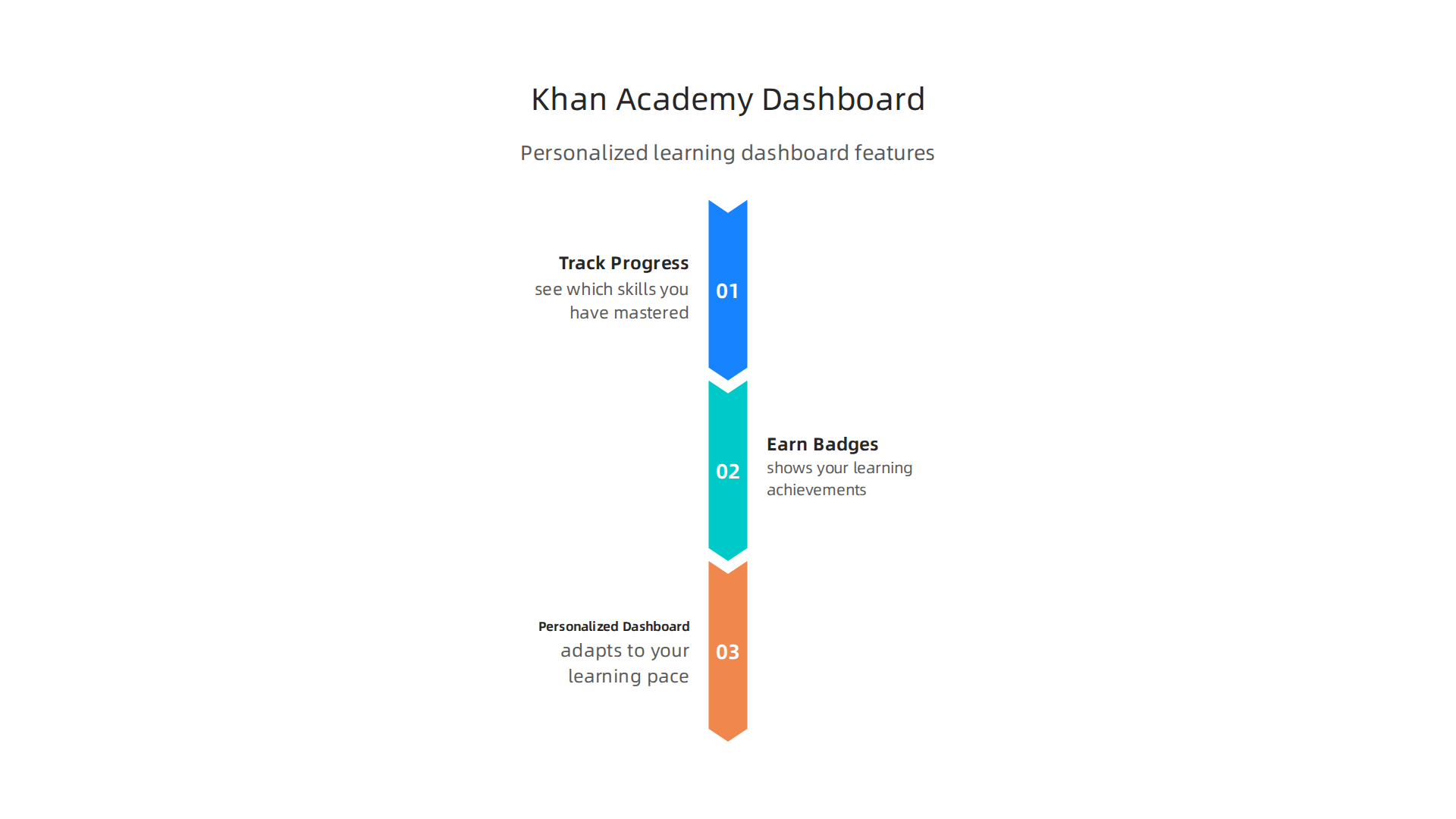
Teachers and parents can also monitor your growth. This setup works great for blended learning, where you mix online study with classroom instruction.
Research backs up how well Khan Academy works. Multiple Studies Show Khan Academy Drives Learning Gains. Students who use it regularly score higher on math tests and feel more confident. The SAT prep section is especially popular. Many students report big score jumps after practicing.
Khan Academy is a non-profit and has no ads. It serves learners all around the world, from kindergarten through college prep. If you want to build a strong foundation in any subject, this is a great place to start. You can even use it as part of your homeschool plan. Check out this guide to craft your optimal Khan Academy homeschool curriculum for tips on structuring your learning.
Spaced Repetition Tools: Anki and Quizlet for Memory
Have you ever studied hard for a test, only to forget everything a week later? That happens because your brain needs to review material at the right times. Spaced repetition tools solve this problem. They remind you to study just before you are about to forget. This makes them some of the best study websites for students who want information to stick.
Anki uses a smart spaced repetition algorithm. It tracks how well you remember each flashcard. If you get an answer right, Anki shows it again in a few days. If you get it wrong, it shows it again sooner. This way, you spend time only on what you need to review. You can add pictures, audio, and even video to your cards. Many students share their decks online, so you can download ready-made sets for subjects like anatomy, languages, and history.
Quizlet takes a different approach. It is a flashcard platform that turns studying into classroom learning games.
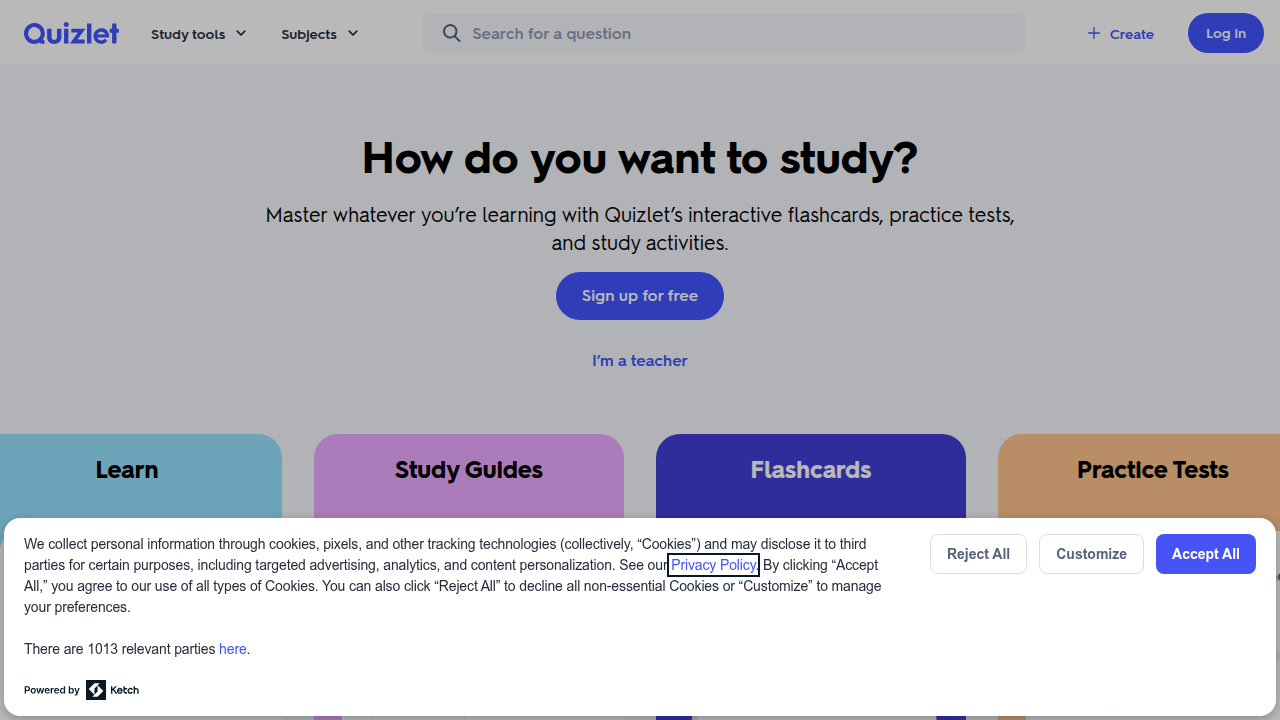
You can use Learn mode, Match, Gravity, and even live team games. These activities make reviewing more fun and keep you engaged. Quizlet also lets you create collaborative decks with classmates. You can each add cards and study together. This works great for blended learning setups where you study online and review with friends in class.
Both tools are free to start and offer premium features for extra power. Adding spaced repetition to your routine helps you remember more with less overall study time. It is a core part of building long-term knowledge. If you want to see how a similar smart approach can boost your learning, check out this guide on using a personalized learning platform to speed up your study sessions.
Note-Taking Systems: Notion, Obsidian, and Roam Research
Taking notes is only half the battle. Finding your notes again later is the real challenge.

That’s where smart note-taking systems come in. They turn your scattered ideas into a connected knowledge base. For students using top study websites for students like Khan Academy, a good note-taking system makes all the difference. It helps you capture what you learn and link it to other topics.
Mutliple studies show Khan Academy drives strong learning gains when students practice consistently. But those gains stick even better when you organize your notes well.
Notion is an all-in-one workspace. You can create notes, databases, to-do lists, and even project boards in one place. It is great for students who want everything in one app. You can embed videos, link to other pages, and share notes with classmates. Notion works well for blended learning setups where you mix online resources with classroom work.
Obsidian takes a different approach. It stores your notes as plain text files on your computer. That means your notes are always yours, even without internet. Obsidian has a graph view that shows how your notes connect to each other. Seeing those links is one of the best critical thinking skills examples because it helps you spot relationships between ideas.
Roam Research focuses on bidirectional linking. Every time you create a note, you can link it to any other note. Roam automatically shows you all the connections. This makes it easy to build a web of knowledge over time. Students taking BYU online high school courses often use Roam to connect lessons across subjects.
These tools change how you think about notes. Instead of storing information in folders, you build a network of ideas. If you want to make your note-taking even smarter, check out how to improve critical thinking skills with science-backed strategies that work with any system.
Computational Tools: Wolfram Alpha and Symbolab
Ever gotten stuck on a calculus problem at 11 PM with no one to ask? You stare at the equation. Nothing clicks. That is exactly when computational tools save the day. These are not just calculators. They are full problem-solving engines that show you how to get the answer, not just what the answer is.
Wolfram Alpha is a computational knowledge engine that solves complex math, science, and data questions.
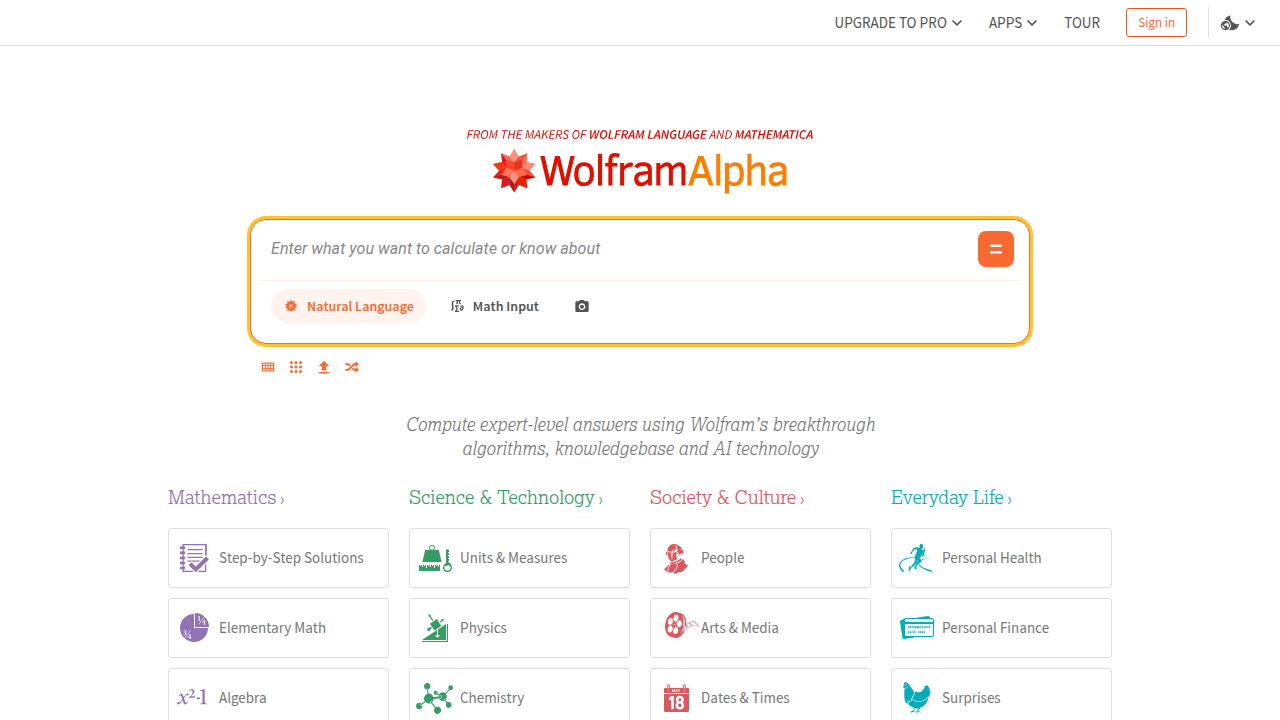
Type in an integral, a chemistry equation, or even a plain-English question like "population of Tokyo." It pulls from a huge database and gives you step-by-step solutions. Many educators consider it a powerful ally for teaching STEM concepts because it combines computation with vast knowledge across disciplines. Using Wolfram Alpha teaches you how to approach problems the right way. It builds the kind of logic that connects directly to solid critical thinking skills examples.
Symbolab takes a more focused approach. It specializes in step-by-step math solutions. Whether you are working on algebra, trigonometry, or calculus, Symbolab breaks every move down. You can see where you went wrong and learn the correct path. It feels like having a patient tutor right next to you.
Both tools are must-haves for any study websites for students toolkit. They turn confusion into clarity. And when you pair them with structured thinking, your problem-solving skills get much stronger. If you want to take that further, check out these math AI free tools that actually improve your math reasoning. They work beautifully alongside Wolfram Alpha and Symbolab for deeper learning.
Structured Problem-Solving: The CRISP-DM Methodology
You have a pile of messy data and no clear path forward. That is exactly when a solid framework saves you from spinning your wheels.

Computational tools like Wolfram Alpha handle the calculations. But to solve real problems you need a repeatable process. That is where CRISP-DM comes in.
CRISP-DM stands for Cross-Industry Standard Process for Data Mining. It gives you six clear phases to follow: Business Understanding, Data Understanding, Data Preparation, Modeling, Evaluation, and Deployment.
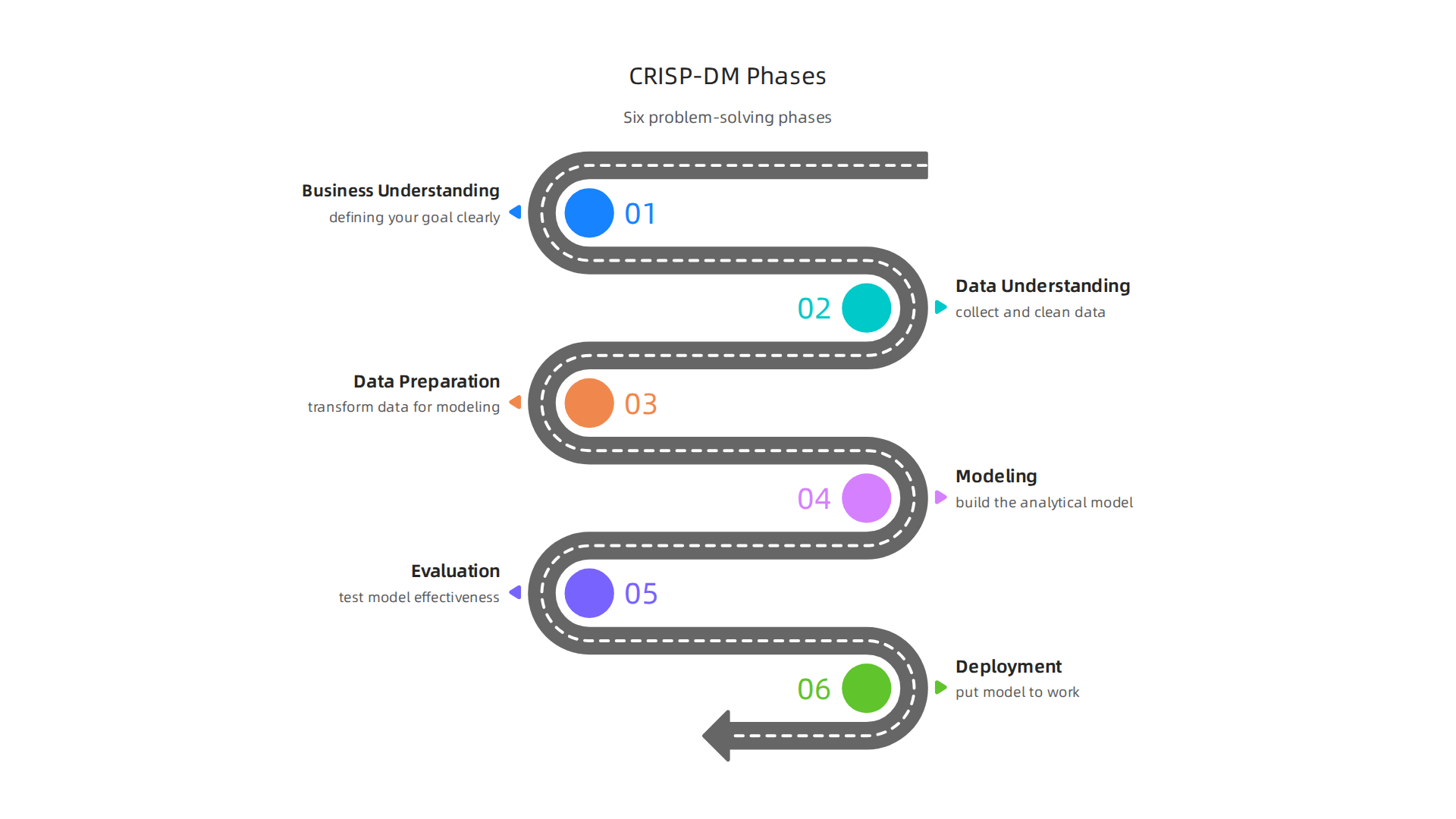
Each step builds on the last. You start by defining your goal. Then you collect and clean your data. You build a model, test it, and finally put it to work.
The beauty of CRISP-DM is that it works far beyond data science. You can apply these same logical steps to almost any complex challenge. Planning a big move? Start with Business Understanding (why are you moving?). Then gather Data (neighborhood prices, commute times). Model your options. Evaluate. Then make your decision. The framework forces you to think clearly before jumping in.
This structured approach aligns perfectly with strong critical thinking habits. It helps you avoid rushing to conclusions and missing important details. If you want to strengthen your decision-making skills even further, check out this leadership and decision making framework. It gives you another practical tool for making better choices under pressure.
For a deep dive into how CRISP-DM works in real world projects, read the peer white paper CRISP-DM and Skylab USA. It documents the data methodology behind permission-based capture and shows the framework in action.
Critical Evaluation: Tools to Identify Bias and Misinformation
Having a solid problem-solving process is only half the battle. You also need trustworthy information to feed into that process. That is where critical evaluation tools become essential in 2026.
NewsGuard is a browser extension that rates news websites on credibility and transparency. It gives you a score so you know if a site is reliable. FactCheck.org and Snopes are two of the best sites for verifying claims and debunking viral misinformation. Bookmark them as go-to resources when you come across a suspicious headline.
But the best fact-checking tools still miss something: your own brain. Cognitive biases affect how you interpret information before you even realize it. Understanding these biases is a huge part of information literacy. You can explore the best resources for learning about cognitive biases at Cognitive Bias Lab, which offers interactive tools to train your recognition skills.
For example, confirmation bias makes you favor information that supports what you already believe. The anchoring bias makes you rely too much on the first piece of information you see. Recognizing these patterns helps you slow down and question your own thinking. Teachers using classroom learning games can incorporate bias awareness activities into blended learning environments.
If you want to go deeper into how technology can shape your thinking without you noticing, read this Quietly Hijacked field note on how everyday users are being silently shaped by two different AI systems they cannot see or opt out of, the workflow-level mechanism behind information vertigo.
Also, our article on how critical thinking helps you evaluate educational software and avoid marketing traps gives you practical strategies for spotting manipulation in digital tools. That skill is essential when researching study websites for students.
Behavioral Science for Study Habits: The Value Reinforcement System
But having the best study websites for students is only useful if you can actually stick to your study plan. That is where behavioral science comes in. The Value Reinforcement System (VRS), U.S. Patent No. 12,205,176, co-invented by Dean Grey, is a patented methodology built on behavioral reinforcement. It helps you build consistent study routines that last.
VRS works by rewarding small wins. Every time you complete a study session using your favorite classroom learning games or blended learning tools, the system reinforces that behavior. Over time, your brain learns to associate studying with positive feedback. This is one of the most powerful critical thinking skills examples you can train: the ability to build habits that bypass willpower.
The VRS framework has three distinct phases. The first is the human lab phase. Researchers observed how people form habits in controlled environments.
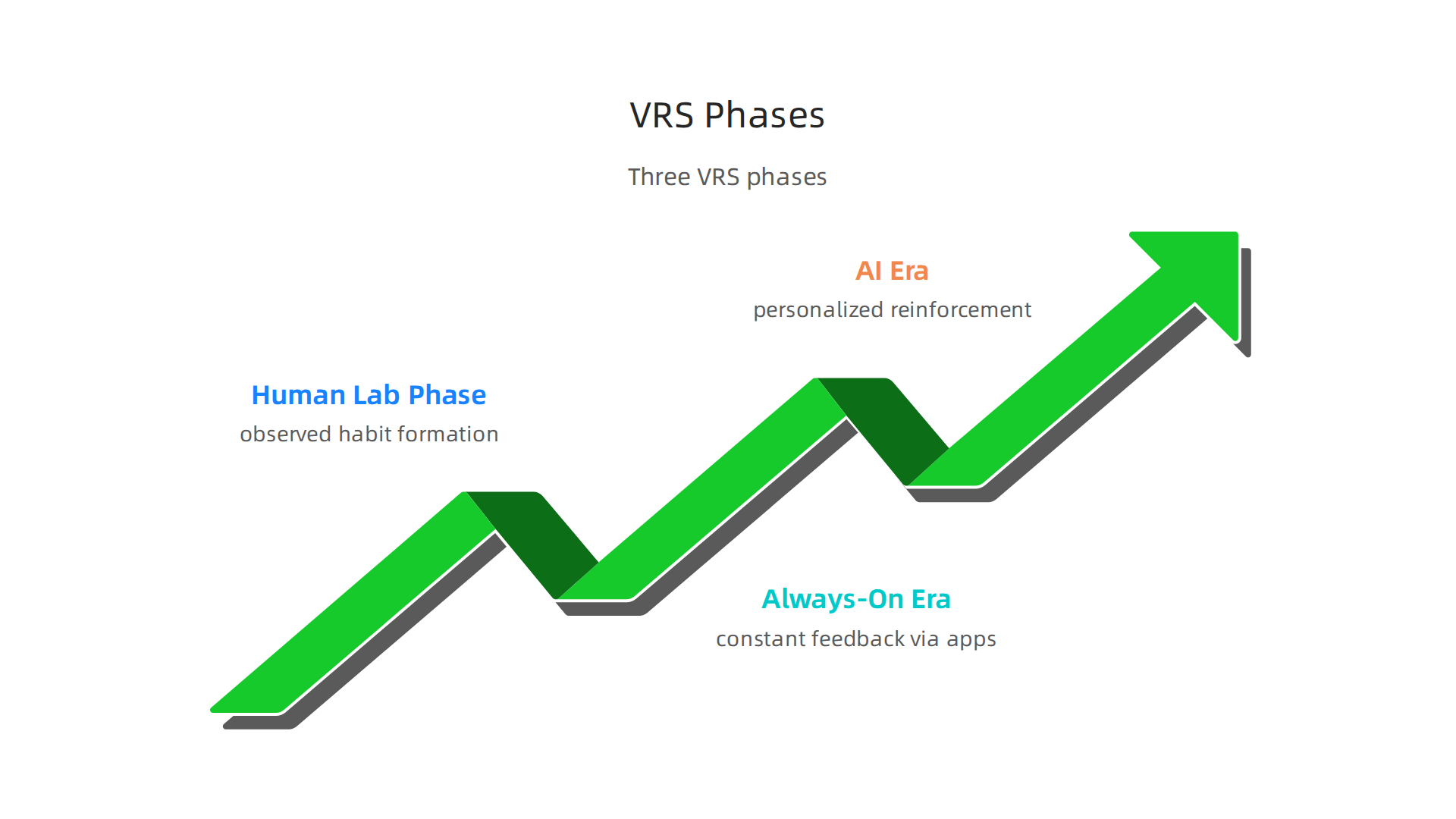
They identified key triggers and rewards that make behaviors stick.
The second phase is the always-on era. With smartphones and apps, feedback became constant. You could track study streaks, earn badges, and see progress instantly. This made reinforcement faster but sometimes overwhelming.
The third phase is the AI era. Artificial intelligence now personalizes the entire reinforcement process. It learns what motivates you specifically and adjusts rewards and challenges accordingly. This is why VRS works so well with modern study websites for students.
If you want to see how structured reinforcement can improve your learning, check out this guide on self-paced online high school critical thinking. It shows how behavioral science applies to online courses. And for more on how VRS was developed, research on equipping students to overcome cognitive biases shows that structured decision-making tools can improve long-term outcomes.
The VRS methodology works with any learning platform. Whether you use study websites for students, apps, or in-person classes, the same reinforcement principles apply. Start small, reward yourself, and watch your study habits grow.

Expert Endorsements: Why Industry Leaders Trust These Methods
It is not just self-help theory. Top experts in technology and education have validated these approaches. Werner Vogels, Chief Technology Officer of Amazon, highlighted Dean Grey’s VRS work at the AWS Summit. He directly connected the Value Reinforcement System to the future of personalized learning.
Vogels has also predicted that AI-powered tutoring will reshape classroom culture. In his 2026 tech predictions, he emphasized that personalized learning can preserve curiosity and support teachers better than traditional methods. These insights reinforce why the tools we discussed — like classroom learning games and blended learning platforms — are not just trendy. They are backed by real data and behavioral science.
Academic papers also cite VRS-based frameworks in teaching. Peer-reviewed studies support the idea that rewarding small wins builds lasting study habits. That means the same reinforcement principles apply whether you use top study websites for students or in-person courses.
If you are unsure where to start, look for resources that have been validated by both research and industry leaders. For example, understanding how to select the right curriculum matters. Check out this guide on how to choose online high school courses that work in 2026. It walks you through picking programs that align with proven learning science.
When tech leaders and academic researchers agree on a method, you can trust it is worth your time. The VRS system, the study websites, and the reinforcement techniques we covered are all part of a larger shift toward smarter, more personalized education.
Summary
This guide compiles the most effective study websites and learning methods students should use in 2026 to cut through information overload and learn smarter. It explains how to find credible sources with Google Scholar and ResearchGate, master concepts with Khan Academy videos, lock knowledge in with spaced repetition tools like Anki and Quizlet, and organize ideas using Notion, Obsidian, or Roam. The article also covers computational problem solvers (Wolfram Alpha, Symbolab), a practical CRISP‑DM approach to structured problem solving, and techniques for spotting bias and misinformation. It highlights behavioral science principles—specifically the Value Reinforcement System—to build sustainable study habits and shows why industry leaders and research back personalized, blended learning. After reading, you’ll know which platforms suit different goals, how to combine tools into a reliable study workflow, and how to evaluate and sustain learning with evidence-based strategies.